Natural Turf
Our turf products are grown from high-quality seed cultivated in rich, organic river soil. We consider location, usage, exposure to the sun, and maintenance to help you select the most suitable grass.
Our natural turf is a 90/10 blend of Fescue and Kentucky Bluegrass sod. It thrives in both cold and warm climates and blends well with other grasses. Motz Turf Farm's grass has wider blades and a lighter green shade to create an attractive uniformity in your lawn. Your lawn should be watered once each week to maintain its color and appearance. While it may go dormant if not watered, it will green up again with moisture. Fescue has the lowest fertilizer requirements of any cool-season grass and is naturally resistant to damaging insects.
Sheet Size: Each sheet of sod is 21" by 42"
Cost Per Sheet: when purchased individually, each sheet of sod is $5.25 per piece. There are price breaks when full pallets are ordered.
Cost Per Pallet: Each pallet costs $241.00 + tax ($216.00 for the sod plus a 30-day $25.00 refundable pallet deposit). You can pick-up sod at our office or have it delivered (delivery fee is extra).
Pallet Specs: Each pallet has 88 sheets of sod, which covers 540 square feet (60 yards). Each pallet weighs between 2,200 - 2,400 pounds.
Sod Delivery: Prompt delivery is available for quantities over 30 yards (1/2 pallet, 270 square feet). We are able to deliver up to 960 yards (16 pallets, 8,640 square feet) on a single truck.
Natural Turf Installation:
Our experienced staff can quickly install turf at residences, commercial properties, schools and more.
Services provided with our sod and seeding installation include:
- Removal of existing debris (old grass, weeds rock, etc.)
- Contour and grading for appropriate drainage.
- Installation of sod.
- Laying down straw (if seeding).
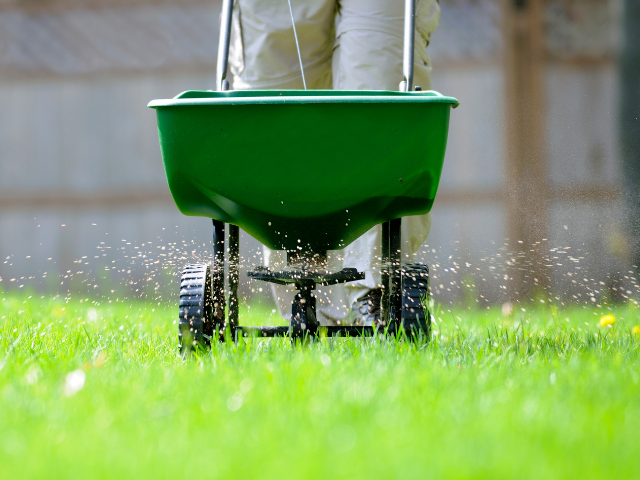
- Application of starter fertilizer (if seeding).
If you'd like to prepare and install sod yourself, we are happy to deliver and unload with a forklift at your property.
WATERING & MAINTENANCE:
- Be sure your new sod receives ½” or more of water within the first ½ hour of installation. Keep in mind that nearly all sod failures are due to poor watering practices.
- Be careful not to allow puddling or run-off, both to protect the lawn and conserve water.
- Following this initial watering, your new turf should receive ½” – 1” of water every other day, until it begins to root – about 2 weeks. Remember weather conditions may require some modifications to these amounts.
- After a few weeks, scale back on watering while making sure your lawn has enough moisture to survive extended dry periods.
- Areas near driveways and buildings are more likely to show stress due to reflected heat and may require additional water.
- During the first few weeks, moderate use of your lawn is fine, but avoid heavy or concentrated traffic as this may cause slippage and tracking.
MOWING & FERTILIZATION:
- Your new lawn can be mowed two weeks after installation. Maintain a height of 3" to 3 ½” in the spring and fall, and 3 ½” to 4"” in the summer. Generally, you should not remove more than 1/3 of the grass height per mowing.
- If on a consistent mowing schedule, you do not need to remove grass clippings, as this is a good way to recycle nitrogen and nutrients back into the soil.
- If you have tall grass and mowing results in clumps of clippings, we recommend you remove those clippings so it does not kill the grass underneath.
- Grass clippings do not contribute to thatch build-up.
- For best mowing results, keep your mower blades sharp and avoid hard turns. Try to avoid mowing the lawn when conditions are wet, since this may cause ruts or damage.
We’ve been working with soil and weather since 1868. The result is a hearty but beautiful grass seed blend that is precisely designed to thrive under local conditions. Either DIY thin spots yourself or let our team do the seeding for you.
Grass Seed Installation:
Our experienced staff can effectively install grass seed at residences, commercial properties, municipalities, schools and more.
Services provided with our seeding installation include:
- Removal of existing debris (old grass, weeds rock, etc.).
- Contour and grading for appropriate drainage.
- Installation of seed.
- Laying down straw.
- Application of starter fertilizer.
Please visit our Grass Seed page for tips.
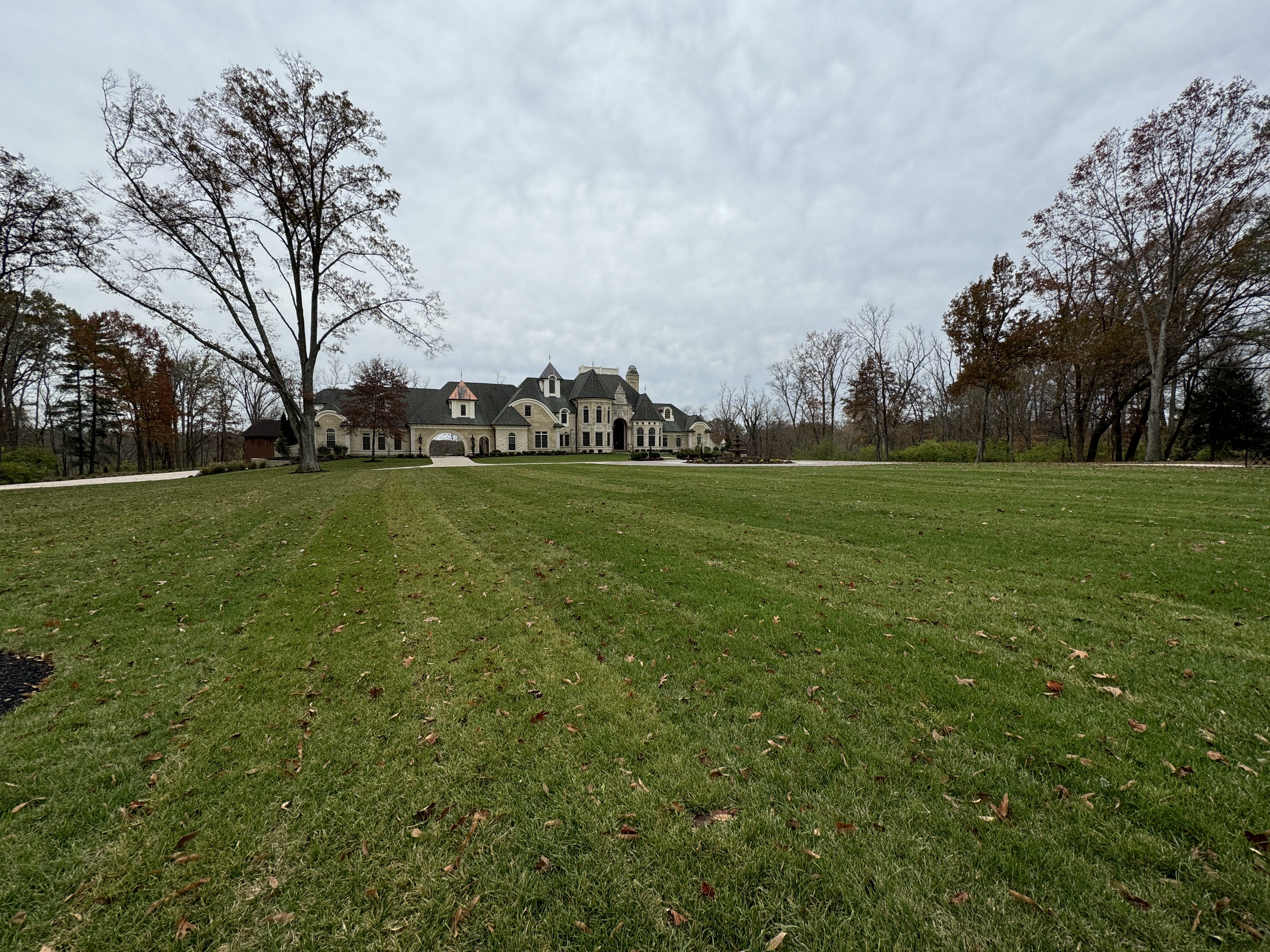
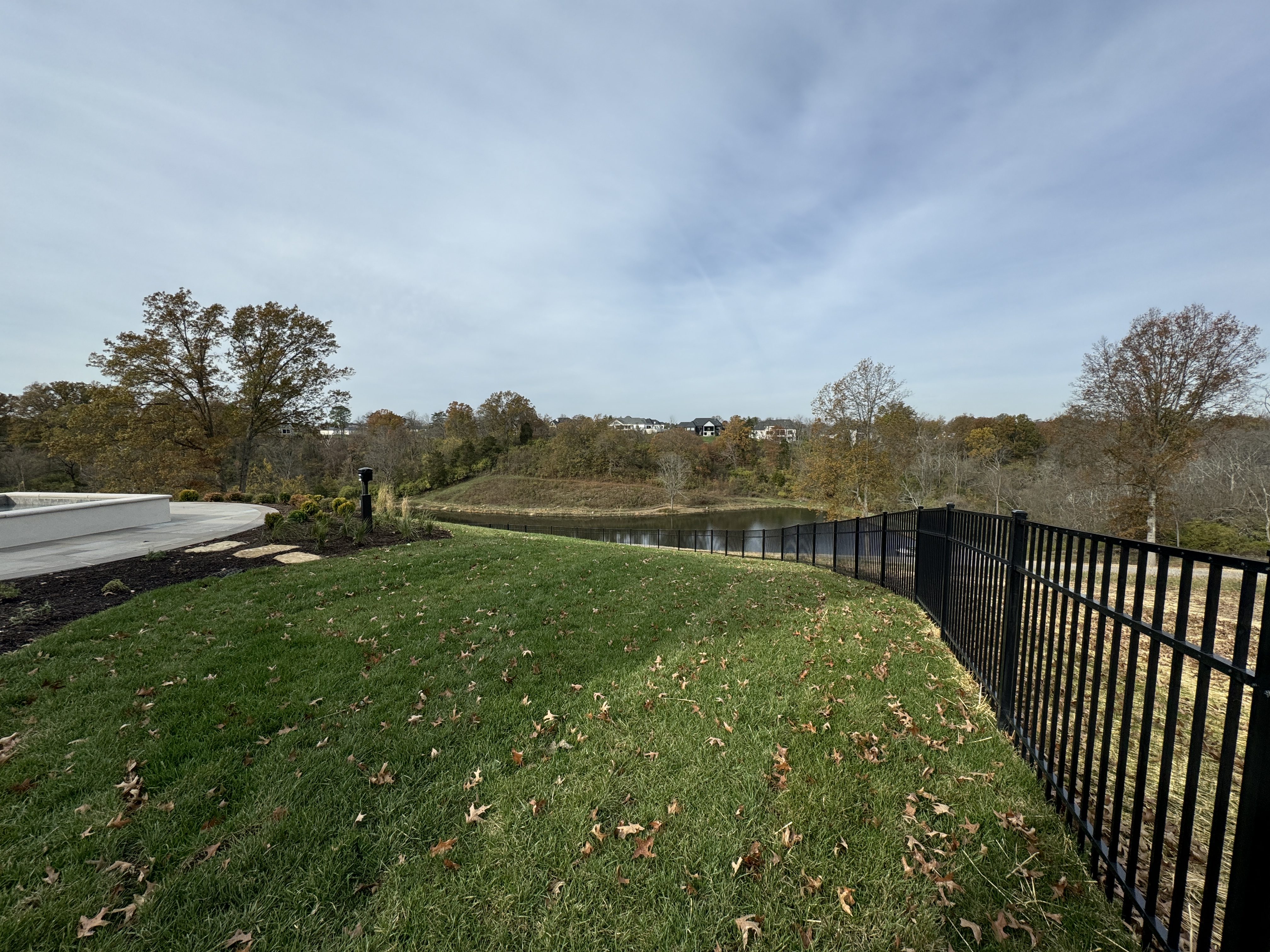
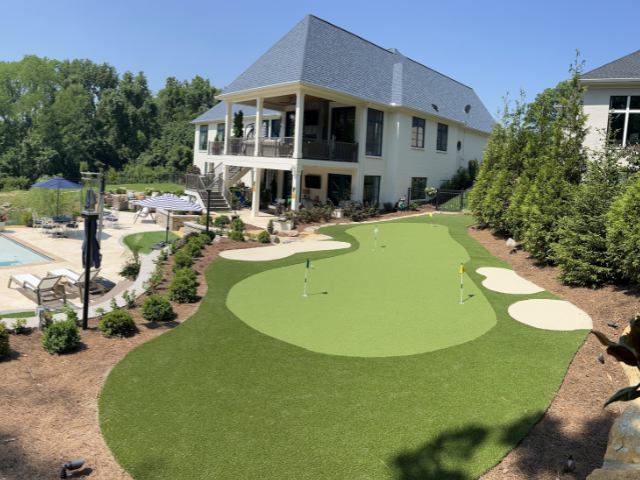
Gallery of Natural Turf Installations